


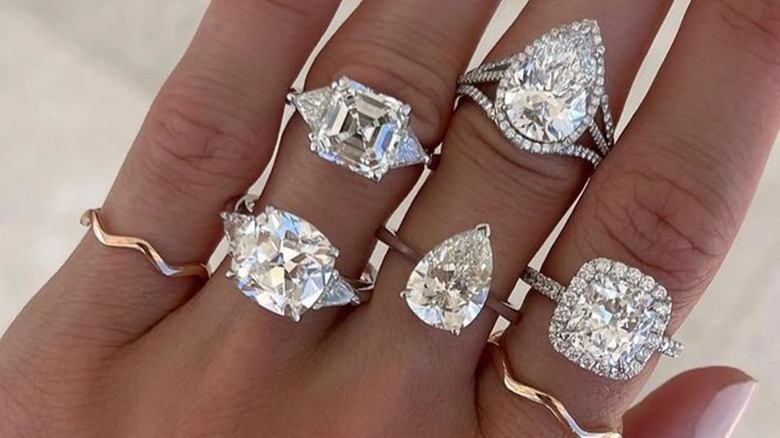
Lab-grown diamonds have taken the jewelry world by storm, offering ethical sparkle without the environmental impact. But while the diamond might be created in a lab, the craftsmanship behind setting it is very much an art. One of the most crucial yet often overlooked elements in ring design is the claw setting—also known as the prong setting.
These tiny metal projections not only hold the diamond securely in place, but they also play a big role in how the ring looks, wears, and catches light.
Table of Contents
What Are Claws (Prongs)?
Claws are the small metal arms that grip the diamond and keep it in place on the ring. Typically extending from the ring’s head or basket, claws are bent over the crown of the diamond, ensuring a firm hold while maximizing light exposure to enhance brilliance.
While they serve a practical function, claws also contribute to the ring’s overall style—subtle or bold, modern or vintage.
Why Claws Matter for Lab-Grown Diamonds
Lab-grown diamonds are chemically and physically identical to natural diamonds, meaning the same care and precision are needed when setting them. However, the ability to create specific carat sizes and shapes with more precision makes customized claw settings more accessible and popular with lab-grown diamonds.
In fact, since claws for lab grown diamond rings are often more affordable than their mined counterparts, many buyers opt to invest more in setting design, including claw style, material, and count.
Types of Claws: Choosing the Right Style
1. Classic Four-Claw Setting
- Look: Minimalist, elegant
- Best for: Round, oval, cushion, or princess cuts
- Pros: Offers excellent light exposure; great for solitaire rings
- Cons: Slightly less secure than six claws for very active wearers
2. Six-Claw Setting
- Look: Vintage and secure
- Best for: Round brilliant or high-value diamonds
- Pros: Added security and symmetry
- Cons: Can cover more of the stone, reducing light return slightly
3. Double Claw
- Look: Designer, sophisticated
- Best for: Emerald, radiant, or cushion cuts
- Pros: Enhances geometric elegance; balances protection and exposure
- Cons: Slightly more intricate to clean
4. V-Claw (V-Prong)
- Look: Functional and sharp
- Best for: Marquise, pear, and princess cuts (stones with pointed edges)
- Pros: Protects fragile points from chipping
- Cons: Bulkier than standard claws
5. Bezel and Hybrid Settings
While technically not claws, some rings combine prongs with bezel settings to blend security with sleek modern design—an especially popular choice with lab diamonds for an ultra-contemporary vibe.
Claw Materials: Gold, Platinum, or Something Else?
- Platinum Claws: Extremely durable, hypoallergenic, and perfect for securing high-value stones.
- White Gold Claws: Popular for its bright finish; may require rhodium plating over time.
- Yellow/Rose Gold Claws: Great for contrast or a vintage aesthetic; slightly softer than platinum.
💡 Pro Tip: When setting a white lab-grown diamond, white metal claws (platinum or white gold) are usually preferred to avoid visual “tinting” of the stone from colored metals.
Maintenance and Wear
Even the strongest claws can wear down over time. Regular inspection (every 6–12 months) helps avoid stone loss, especially if the ring is worn daily. Ask your jeweler about re-tipping claws, a service that reinforces worn prongs to maintain security.
Final Thoughts: Form Meets Function
The claws on your lab-grown diamond ring do more than just hold the stone—they define the silhouette, enhance brilliance, and ensure lasting wear. Whether you’re drawn to a minimalist four-claw solitaire or a bold double-claw designer setting, the right claws are the perfect finishing touch to your ethical sparkle.
When choosing a lab-grown diamond, don’t stop at the stone. The setting—especially the claws—can transform your ring into something truly personal and timeless.